


The Evolution of Flooring: A Journey Through Time and Innovation
Flooring, an essential yet often overlooked component of architectural design, has undergone a remarkable transformation over millennia. From humble beginnings as functional surfaces to today’s blend of aesthetics, durability, and sustainability, the history of flooring reflects humanity’s ingenuity, cultural values, and technological progress. This article delves into the rich tapestry of flooring’s evolution, exploring key milestones, regional adaptations, and future possibilities.
1. Ancient Beginnings: Practicality Meets Symbolism (Prehistory–500 CE)
The earliest floors were born out of necessity. In prehistoric times, humans used natural materials like dirt, straw, or animal hides to create basic surfaces. The advent of settled agriculture in the Neolithic era (c. 10,000 BCE) spurred innovation: stone slabs, packed earth, and even rudimentary plaster emerged as durable options
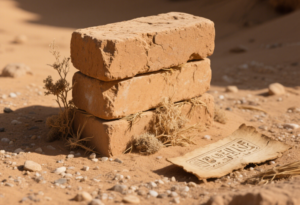
Egypt and Mesopotamia: By 3000 BCE, Egyptians utilized mud bricks dried in the sun, later advancing to limestone and granite for temples and palaces. In Mesopotamia, baked clay tiles adorned ziggurats, often featuring geometric patterns or glazed finishes.
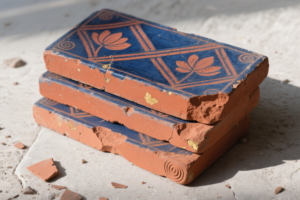
Ancient Greece and Rome: The Greeks introduced mosaics using pebbles, evolving into intricate designs with colored stones and glass. Romans perfected this art, covering villas in opulent opus sectile(cut-stone mosaics) and terrazzo (chipped marble embedded in cement). Hypocaust systems—underfloor heating using hollow spaces beneath tiles—demonstrated their engineering prowess.
2. Medieval to Renaissance: Craftsmanship and Regional Diversity (500–1600 CE)
The Middle Ages saw flooring adapt to feudal and religious structures. Castles and churches prioritized durability and grandeur:
Europe: Stone flags (large flat stones) dominated castles, while wooden planks became common in homes. Monasteries featured colorful tiles with religious motifs, as seen in England’s Westminster Abbey.
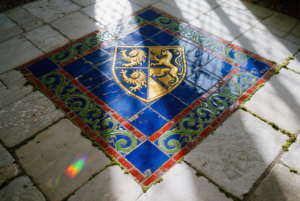
Asia: In China, lacquered wooden floors symbolized wealth, while Japan’s tatamimats (woven rush) emphasized minimalism and comfort. Islamic cultures in the Middle East used glazed ceramic tiles with intricate arabesques, as seen in Persia’s Isfahan tiles.
3. Industrial Revolution: Mass Production and Material Revolution (1700–1900 CE)
The 18th and 19th centuries transformed flooring through industrialization:
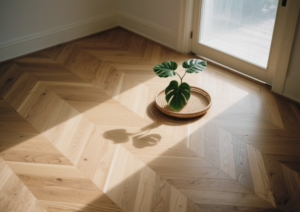
Wood Dominance: Sawmills enabled affordable plank floors, while parquetry (wooden inlays) became fashionable in European estates.
Linoleum and Cork: Invented in 1860, linoleum (made from linseed oil, cork dust, and jute) offered a waterproof, colorful alternative. Cork flooring, harvested from bark, gained popularity for its resilience.
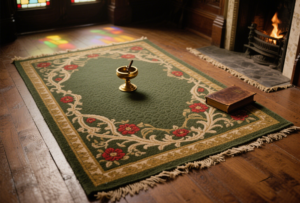
Tiles and Carpets: Machine-made ceramic tiles replaced hand-painted varieties, while power looms produced affordable wall-to-wall carpets, epitomized by Axminster and Wilton weaves.
4. 20th Century: Synthetic Materials and Globalization (1900–2000)
The 20th century introduced synthetic materials and democratized flooring choices:
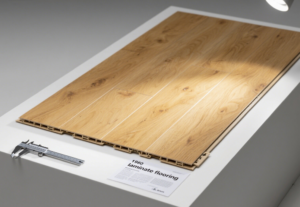
Vinyl and Laminate: Post-WWII, vinyl’s affordability and water resistance made it a staple in kitchens and bathrooms. Laminate, developed in the 1970s, mimicked wood or stone at a fraction of the cost.
Carpet Boom: Synthetic fibers like nylon (1935) and polyester revolutionized carpets, which covered 80% of U.S. homes by the 1970s.
Technological Leaps: Self-leveling concrete and epoxy coatings emerged for industrial spaces, while heated floors resurfaced as electric systems became safer.
5. 21st Century: Sustainability and Smart Flooring (2000–Present)
Today’s flooring industry balances eco-consciousness with cutting-edge technology:
Eco-Friendly Materials: Bamboo (a rapid-renewable grass) and reclaimed wood cater to green builders. Recycled rubber and glass tiles reduce waste, while cork and linoleum enjoy a renaissance.
Smart Innovations: Sensors embedded in floors monitor foot traffic or detect falls in elderly care homes. Photoluminescent tiles guide evacuees during power outages, and 3D-printed concrete enables custom designs.
Health-Centric Design: Antimicrobial coatings and hypoallergenic carpets address post-pandemic concerns, while acoustic underlays improve urban living.
Future Trends: Beyond the Horizon
The next decade promises even more radical shifts:
Biophilic Design: Living floors with embedded moss or grass aim to improve indoor air quality.
Self-Repairing Materials: Shape-memory polymers could automatically fix scratches, extending floor lifespans.
Augmented Reality (AR): Homeowners may visualize flooring options in real-time via smartphone apps, reducing waste from sample orders.
Conclusion
From ancient stone mosaics to solar-powered smart floors, the story of flooring is a testament to human creativity. Each era’s innovations—whether driven by necessity, artistry, or technology—have shaped how we live, work, and interact with our environments. As sustainability becomes non-negotiable, the industry’s future lies in harmonizing tradition with innovation, ensuring floors remain both functional and inspiring for generations to come.