

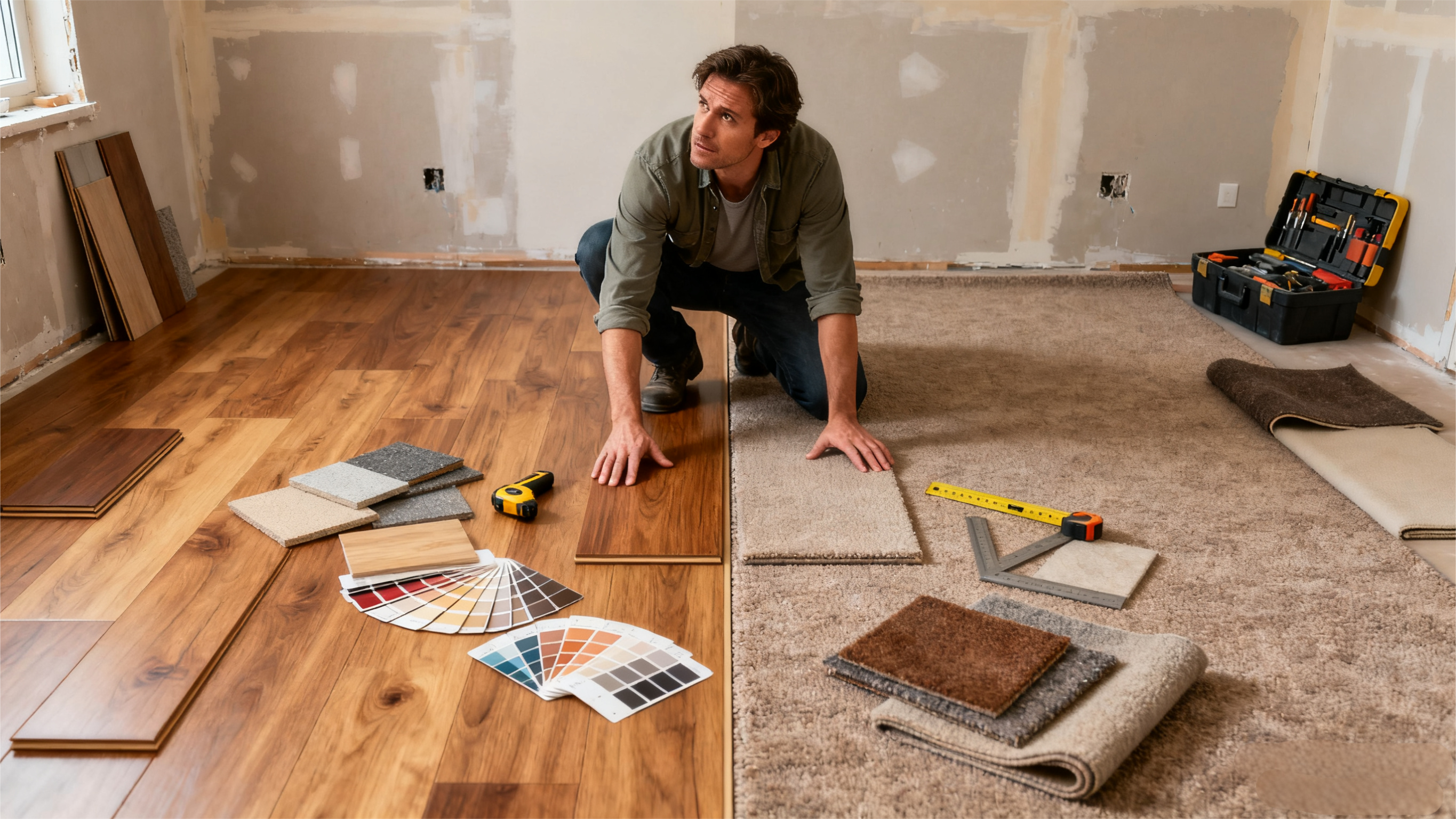
1. Assess the Room’s Purpose
The function of a space should be your first consideration:
High-Traffic Areas (Entryways, Hallways, Kitchens):
Hard floors excel here due to their durability and ease of cleaning. Spills, mud, and heavy foot traffic are no match for materials like tile or vinyl, which resist stains and wear.
Living Rooms and Bedrooms:
Carpets add warmth and coziness, making these spaces more inviting. Their cushioning effect reduces fatigue from sitting or walking barefoot, ideal for relaxation zones.
Bathrooms and Basements:
Water-resistant hard floors (e.g., porcelain tile or SPC flooring) are essential to prevent mold and water damage. Carpets in damp areas risk mildew and odors.
2. Consider Climate and Energy Efficiency
Your local climate plays a significant role:
Cold Regions:
Carpets act as thermal insulators, retaining heat and reducing heating costs. They’re particularly beneficial in bedrooms or drafty homes.
Warm Climates:
Hard floors (like tile or stone) stay cool underfoot, naturally regulating indoor temperatures without the need for air conditioning.
Humid Areas:
Avoid carpets in humid environments, as they can trap moisture and promote mold growth. Opt for moisture-resistant floors instead.
3. Evaluate Maintenance Requirements
Think about how much time and effort you’re willing to invest in upkeep:
Hard Floors:
Pros: Easy to sweep, mop, or disinfect. Stains are usually surface-level and removable.
Cons: Scratches and dents can occur, especially with natural wood.
Carpets:
Pros: Hide minor imperfections and dust (though this isn’t a substitute for cleaning!).
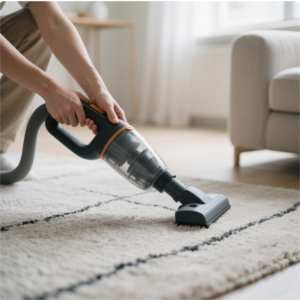
Cons: Require frequent vacuuming, spot-cleaning for spills, and periodic deep cleaning to prevent allergens and odors. Stains can become permanent if not treated quickly.
4.Prioritize Health and Allergies
Indoor air quality is crucial, especially for allergy sufferers:
Hard Floors:
Hypoallergenic and easy to keep dust-free, making them ideal for people with asthma or allergies.
Carpets:
Trap dust, pet dander, and pollen, which can aggravate respiratory issues.
5.Factor in Safety and Comfort
Safety and physical comfort are non-negotiable, especially for families:
Hard Floors:
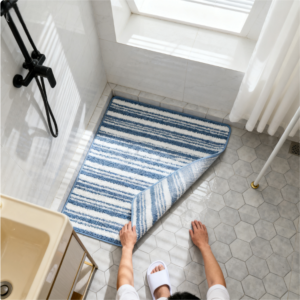
Slippery when wet, posing a risk for falls. Use rugs or anti-slip mats in areas like bathrooms or kitchens.
Carpets:
Provide traction and cushion falls, making them safer for homes with children or elderly residents. They also reduce noise from footsteps and echoes.
6. Balance Aesthetics and Style
Flooring sets the tone for your interior design:
Hard Floors:
Offer a sleek, timeless look that complements modern, industrial, or minimalist styles. They also increase home resale value, particularly floor.
Carpets:
Add texture, warmth, and color, allowing for creative expression. They’re perfect for cozy, eclectic, or traditional interiors.
Hybrid Approach: The Best of Both Worlds
Many homeowners combine flooring types to optimize functionality and style:
Use hard floors in common areas (kitchens, dining rooms) for durability and easy cleaning.
Add carpets or area rugs in living rooms and bedrooms for comfort and noise reduction.
Layer rugs over hard floors to define spaces or add visual interest.
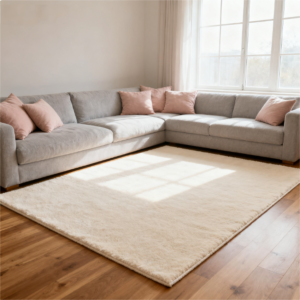
There’s no one-size-fits-all answer to the flooring debate. Hard floors suit busy households and modern aesthetics, while carpets enhance comfort and warmth in private spaces. By weighing these factors, you can create a home that’s both beautiful and practical—tailored to your unique lifestyle.