

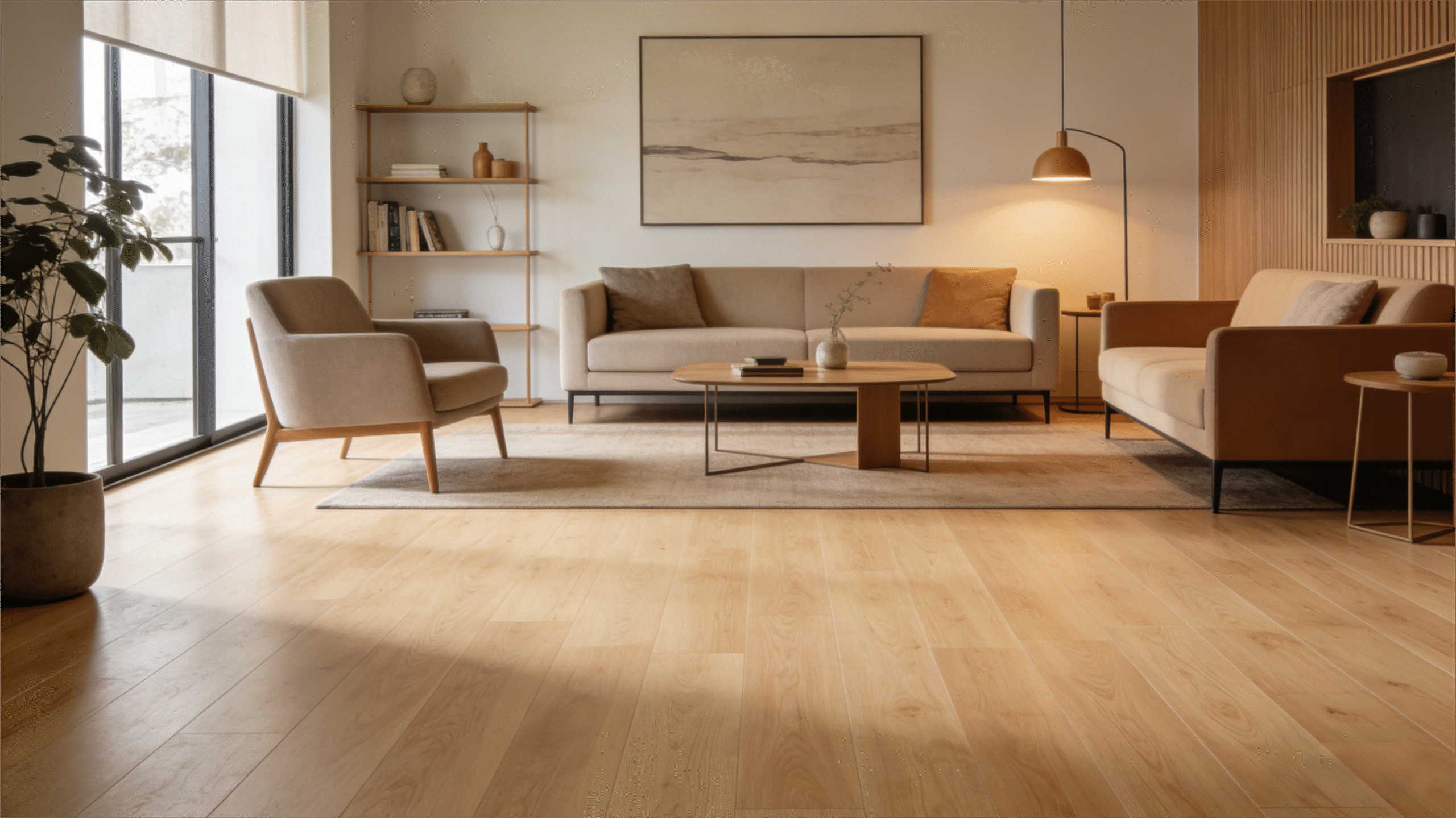
The popularity of both types of flooring is on the rise. To determine which material is more suitable for you, you first need to understand what SPC flooring and LVT flooring are.
What is SPC Flooring?
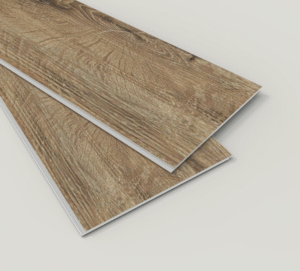
SPC flooring is a type of rigid vinyl flooring that combines the best features of vinyl with the strength of stone. It’s made from a composite of natural limestone powder, polyvinyl chloride (PVC), and stabilizers. This unique blend results in a flooring material that is incredibly durable and waterproof.
One of the key features of SPC flooring is its rigid core. This core provides excellent stability, making it resistant to dents and scratches, even in high-traffic areas. It’s also highly resistant to temperature changes, which means it won’t expand or contract significantly in extreme weather conditions. Additionally, SPC flooring often comes with an attached underlayment, which adds an extra layer of cushioning and sound absorption, making it more comfortable to walk on and reducing noise levels in your home.
In terms of aesthetics, SPC flooring offers a wide range of design options. It can mimic the look of natural wood, stone, or tile with high-definition printing technology, giving you the beauty of these materials without the maintenance hassles. Whether you prefer a rustic wood grain or a sleek marble finish, there’s an SPC flooring option to suit your taste.
(Insert a high-quality, realistic photo of SPC flooring in a modern living room setting. The image should showcase the flooring’s texture and design, with natural light highlighting its features.)
What is LVT Flooring?
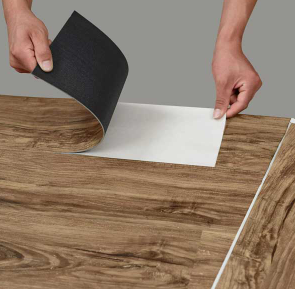
LVT flooring, on the other hand, is a flexible vinyl flooring option that is designed to replicate the look of stone or ceramic tiles. It’s made from multiple layers of vinyl, including a wear layer, a decorative layer, and a backing layer. The wear layer protects the flooring from scratches and stains, while the decorative layer features high-resolution printing that creates realistic tile patterns.
One of the main advantages of LVT flooring is its flexibility. This makes it easier to install, especially in areas with irregular shapes or curves. It can also conform to slightly uneven subfloors, reducing the need for extensive preparation work. Additionally, LVT flooring is often more affordable than SPC flooring, making it a great option for budget-conscious homeowners.
In terms of comfort, LVT flooring is generally softer underfoot than SPC flooring. It provides a more cushioned feel, which can be especially nice in areas where you spend a lot of time standing, like the kitchen or bathroom. However, it may not offer the same level of sound absorption as SPC flooring with an attached underlayment.
(Insert a realistic photo of LVT flooring in a bathroom. The image should show the flooring’s tile-like appearance and how it complements the bathroom fixtures and decor.)
Which is Best for Your Home?
Now that you have a better understanding of SPC and LVT flooring, you might be wondering which one is the best choice for your home. The answer depends on your specific needs and preferences.
If you’re looking for a flooring option that is extremely durable, waterproof, and can withstand heavy traffic, SPC flooring is a great choice. Its rigid core and high-quality construction make it ideal for areas like the kitchen, mudroom, or commercial spaces. Additionally, if you want a flooring that offers excellent sound absorption and comfort, SPC flooring with an attached underlayment is worth considering.
On the other hand, if you’re on a budget and want a flooring option that is easy to install and has a wide range of design options, LVT flooring might be more suitable for you. Its flexibility makes it a versatile choice for various areas of your home, and its realistic tile patterns can add a touch of elegance to any space.